There's something refreshing about a new year. It's a clean slate, a chance to do things a little better than before. And while most of us focus our resolutions on eating healthier or finally organizing the garage, there's another member of your household that deserves a fresh start too: your vehicle.
If that sounds a bit sentimental about a machine, consider this: the average vehicle on American roads today is 12.8 years old. That's not a typo. According to recent data, we're keeping our cars, trucks, and SUVs longer than ever before. And honestly? That makes a lot of sense. New vehicles are expensive, many older cars were built to last, and there's real satisfaction in getting every mile you can out of a well-maintained engine.
But here's the thing about older vehicles: they need a little more attention. Think of it like the difference between being 25 and being 45. Both can be healthy and active, but the approach to staying that way changes.
So as we step into 2026, let's talk about giving your engine the fresh start it deserves.
Why January is Actually Perfect for Vehicle Care
You might think spring would be the natural time to focus on car maintenance. The weather's nicer, after all. But January has some real advantages that often get overlooked.
First, your vehicle just went through some of the hardest months of the year. December driving means cold starts, holiday road trips, and unpredictable weather. Your engine has been working overtime, and whatever oil is in there has been doing heavy lifting.
Second, service shops tend to be less crowded in January. The holiday rush is over, tax refunds haven't arrived yet, and most people are focused on indoor activities. If you need professional work done, you're more likely to get an appointment that fits your schedule.
Third, and perhaps most importantly, starting the year with a well-maintained vehicle gives you peace of mind for the months ahead. There's something genuinely satisfying about knowing you've taken care of something important before it becomes a problem.
What Winter Does to Your Engine Oil
Here's where a little technical understanding goes a long way.
When temperatures drop, engine oil thickens. It's just basic physics. That thicker oil doesn't flow as easily when you first start your car on a cold morning. For a few seconds (or even a few minutes in extreme cold), parts of your engine aren't getting the full lubrication they need. This is called "cold start wear," and it's responsible for a significant portion of engine wear over a vehicle's lifetime.
Modern multi-grade oils (the kind labeled something like 5W-30) are designed to handle temperature swings better than older formulations. The first number with the "W" (which stands for winter) indicates how the oil performs in cold conditions. Lower numbers flow better when cold.
But even the best oil breaks down over time. Heat cycles, combustion byproducts, and moisture accumulation all take their toll. By January, if you haven't changed your oil since summer, that fluid has seen a lot of action.
This is why many mechanics quietly consider winter oil changes to be among the most important ones you can do. Your oil has worked hard through the cold months, and giving it a refresh as you head into spring driving makes good mechanical sense.
Five Vehicle Resolutions That Actually Matter
Resolutions work best when they're specific and achievable. Vague promises to "take better care of my car" rarely stick. So here are five concrete things you can do this January that will genuinely help your vehicle last longer.
1. Check Your Oil Right Now
Not next week. Not when you "get around to it." Today.
Pull out the dipstick, wipe it clean, reinsert it, and check the level and color. The level should be between the minimum and maximum marks. The color should be amber to light brown for relatively fresh oil, or darker brown for oil that's been working awhile. If it's black and gritty, or if you can't remember your last oil change, that's your answer.
This takes about two minutes and costs nothing. Make it a monthly habit.
2. Review Your Maintenance Schedule
Your vehicle came with an owner's manual. If you don't have it, you can usually find it online with a quick search for your year, make, and model.
Look up the maintenance schedule. Note when you're due for oil changes, filter replacements, fluid flushes, and belt inspections. Put these dates in your calendar or phone. Future you will be grateful.
3. Inspect Your Tires Before They Become an Emergency
Tires are easy to ignore until something goes wrong. Take ten minutes to check:
- Tread depth: The penny test works. Insert a penny into the tread with Lincoln's head facing down. If you can see the top of his head, your tread is too worn.
- Pressure: Cold weather drops tire pressure. Check all four tires (plus your spare) with a gauge. The correct pressure is on a sticker inside your driver's door jamb, not on the tire sidewall.
- Wear patterns: Uneven wear often indicates alignment or suspension issues worth addressing.
4. Test Your Battery
Cold weather is brutal on batteries. A battery that was marginal in October might fail completely in January. Many auto parts stores will test your battery for free. If it's more than four years old and showing signs of weakness, replacing it on your schedule is far better than being stranded somewhere cold.
5. Clean Under the Hood
This sounds minor, but debris accumulation around your engine can cause real problems. Leaves in the cowl area can block drainage channels and lead to water damage. Rodents sometimes build nests in engine compartments during cold months. A quick visual inspection and cleanup can prevent expensive surprises.
Giving Your Engine a Little Extra Protection
Here's where we'll mention something we offer, though this isn't a sales pitch. Just information.
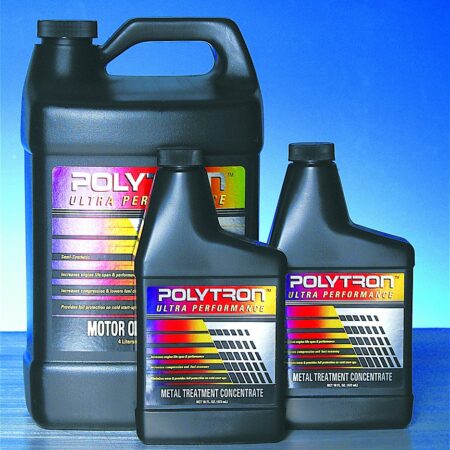
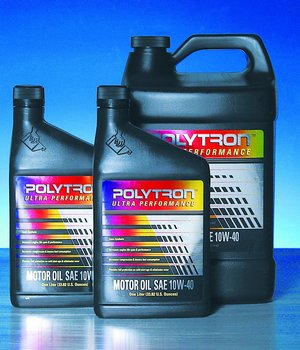
If you're someone who keeps vehicles a long time, or if you've noticed your older engine isn't quite as smooth as it used to be, you might consider a metal treatment concentrate as part of your maintenance routine. Polytron MTC is one option in this category. It's designed to reduce friction and wear at the metal surfaces inside your engine, working alongside your regular oil rather than replacing it.
We're not going to claim it's magic. What we will say is that many of our customers with high-mileage vehicles have found it helpful, particularly for engines that have accumulated some wear over the years. It's compatible with both conventional and synthetic oils, and it doesn't contain solid particles that can cause buildup.
Is it necessary for every vehicle? No. Is it something worth researching if you're committed to extending your vehicle's life? We think so, but we'll let you make that call.
The Bigger Picture: Why Vehicle Longevity Matters
Beyond the financial savings of keeping your current vehicle running well, there's something to be said for the environmental and practical benefits of longevity.
Manufacturing a new vehicle requires enormous resources. Every year you extend your current car's useful life is a year you're not contributing to that demand. And for many families, a reliable older vehicle represents freedom and flexibility that a car payment would complicate.
The average American drives about 13,500 miles per year. If proper maintenance helps your vehicle last an extra three or four years, that's meaningful. We're talking about real money saved and real utility gained.
Your January Checklist
Let's make this actionable. Here's a simple checklist you can print out or save to your phone:
- Check oil level and condition
- Review maintenance schedule and note upcoming service dates
- Inspect tire tread and pressure
- Have battery tested
- Visual inspection under the hood for debris or damage
- Schedule any needed professional service
None of these tasks require special skills or expensive tools. All of them contribute to your vehicle's health in meaningful ways.
Wrapping Up
Your vehicle carried you through another year. It got you to work, brought the kids to school, hauled groceries home, and maybe took you on a road trip or two. That's worth acknowledging.
As 2026 begins, take a little time to return the favor. A few hours of attention now can prevent a lot of frustration later. And there's genuine satisfaction in knowing you're taking good care of something that takes good care of you.
Here's to many more miles together.
Have questions about vehicle maintenance or want to learn more about engine protection options? Feel free to explore our resources or reach out. We're always happy to help.