Here's something most people don't realize: a typical passenger car has maybe a dozen grease points, if that. A CAT 320 excavator? Over 20 grease points that need attention every single day. And that's just one machine on your job site.
If you're running construction equipment, you already know the conditions are brutal. Dust that finds its way into everything. Mud thick enough to slow a bulldozer. Temperature swings from freezing mornings to blazing afternoons. Water crossings that would make a highway truck driver nervous. In this environment, your grease isn't just reducing friction—it's the frontline defense keeping metal from grinding against metal under loads that would flatten a pickup truck.
The numbers tell the story: hydraulic failures account for 45% of excavator breakdowns, and when a critical component fails on site, emergency repairs can run anywhere from $85,000 to $145,000 per incident. That's not including the downtime, the missed deadlines, or the crew standing around waiting for repairs. Proper greasing isn't a nice-to-have—it's what separates profitable operations from budget-killing breakdowns.
The Construction Environment Challenge
Construction equipment doesn't just work hard; it works in conditions that would destroy most machinery. Your excavator's pivot points aren't making smooth, occasional movements like a car's ball joints on a highway. They're articulating constantly, often under maximum load, while contaminated with abrasive dust or corrosive mud.
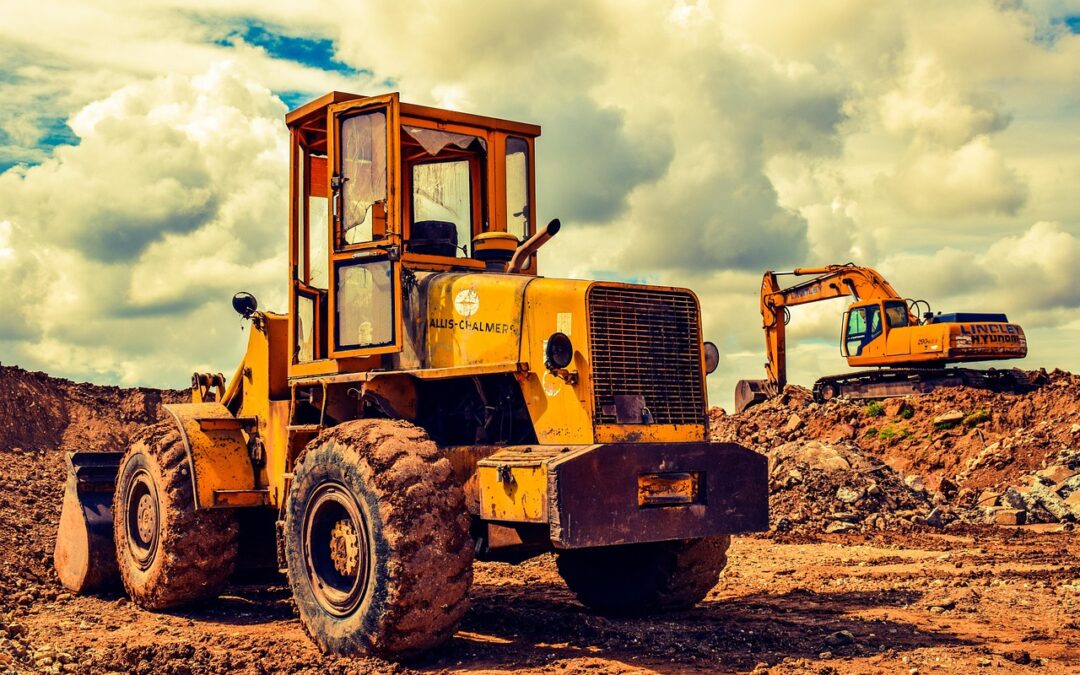
Think about what happens during a typical day on site. Your loader is moving tons of material, each bucket cycle putting enormous pressure on the bucket pins and linkage. The articulation joint—that pivot point in the middle of the machine—is flexing constantly while supporting the entire weight of the front end plus whatever's in the bucket. Those bulldozer track adjusters? They're dealing with shock loads, vibration, and enough grit to sandblast metal.
Highway vehicles operate in a relatively clean environment with smooth surfaces. Your equipment works in what's essentially an industrial-strength sandbox mixed with a car wash, sometimes in temperatures that swing 40 degrees between morning startup and afternoon operation. Standard automotive greases simply aren't formulated for this kind of abuse.
Critical Grease Points That Keep Your Equipment Moving
Every piece of equipment has its vulnerable points—the places where proper lubrication is absolutely non-negotiable.
Excavators have the most complex articulation systems. The boom, stick, and bucket pins all need daily attention. Each of these connection points moves under tremendous load while exposed to whatever conditions you're working in. Miss even a few days of proper greasing, and you'll start seeing accelerated wear. The swing bearing that allows the house to rotate needs attention too, along with track rollers and idlers that are constantly dealing with debris and tension.
Bulldozers might seem simpler, but they work harder than almost anything else on site. Track adjusters maintain proper track tension while dealing with shock loads and contaminants. Blade tilt and angle mechanisms have multiple pivot points that need protection. And those idlers and rollers? They're supporting a massive amount of weight while rotating through whatever material you're pushing.
Wheel loaders have that critical articulation joint right in the center of the machine—it's carrying the entire front-end weight while constantly flexing. The bucket linkage has multiple pins that cycle hundreds of times per day under full load. Steering cylinders and their rod ends need protection from both pressure and contamination.
Cranes add vertical complexity to the mix. Boom sections telescope under load while exposed to the elements. The slew bearing handles both rotational forces and the entire boom weight. Wire rope guides need just enough lubrication without attracting dust that could accelerate wear.
Twenty-plus grease points per machine, often needing daily service. It adds up fast when you're running a fleet.
Common Lubrication Mistakes That Cost You Money
More isn't always better—over-greasing is just as problematic as under-greasing. Pump too much grease into a pin joint, and you can damage seals or create a magnet for dust and debris. That contaminated grease then acts like grinding compound, accelerating wear instead of preventing it.
Under-greasing is the more common problem, especially when machines are working hard. Manufacturer intervals are usually based on "normal" conditions. If you're running extended shifts, working in particularly harsh environments, or pushing your equipment hard, those standard intervals might not be enough. Metal-to-metal contact means wear is happening right now, and you won't see the damage until it's already cost you thousands in repairs or downtime.
Using the wrong grease specification is another silent budget killer. Not all greases are created equal, and what works fine in a passenger car or even a highway truck isn't necessarily right for construction equipment. Temperature range matters. Water resistance matters. And when you're dealing with extreme pressure applications, you need EP additives that can handle the loads.
Finally, there's the tendency to ignore greasing when equipment is down for other reasons or during slow periods. Those are actually perfect times to stay on top of lubrication—you're preventing corrosion and keeping seals conditioned, so when the machine goes back to work, everything's protected.
What Makes a Construction-Grade Grease
Construction equipment demands more from its lubricants than almost any other application. The grease you choose needs several critical characteristics.
Extreme Pressure (EP) additives are non-negotiable. These additives create a protective chemical layer on metal surfaces under high loads, preventing metal-to-metal contact even when the grease film gets squeezed thin. Without EP protection, the pressures in pin joints and pivot points would quickly cause galling and seizing.
Water resistance isn't just about working in the rain. When you're excavating, you're often dealing with groundwater. When you're grading, morning dew can be an issue. A grease that emulsifies or washes out when exposed to water leaves your joints unprotected, sometimes without you even knowing it until wear patterns show up during teardown.
Temperature stability matters because your equipment works in all conditions. A grease that thickens up too much in cold weather doesn't flow into critical areas. One that thins out in heat doesn't maintain the protective film you need. The right grease maintains its consistency and protective properties across the temperature range you actually work in.
Contamination resistance separates construction-grade greases from ordinary ones. The ability to shed water, resist mixing with contaminants, and maintain its protective properties even when some dirt inevitably gets in—that's what keeps your equipment running between services.
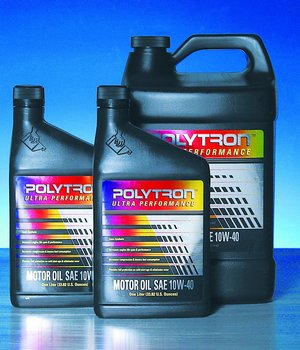
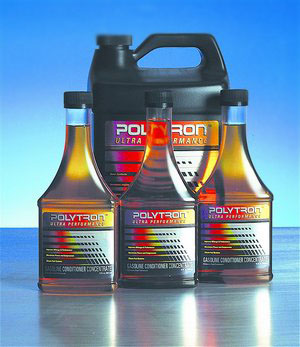
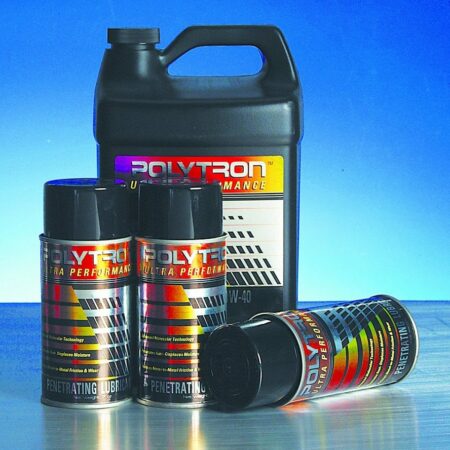
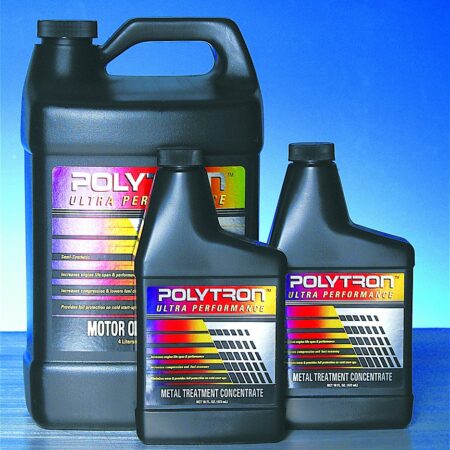
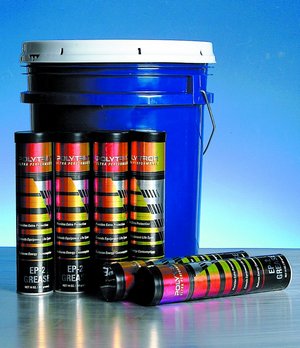
This is where products like Polytron EP-2 Grease come into play. It's specifically formulated with the EP additives and water resistance that construction equipment demands, designed to handle the extreme pressures and contaminated conditions that define job site work. The formulation stays put where you need it while resisting the washout and contamination that plague ordinary greases.
The ROI of Doing It Right
The construction equipment lubricants market is projected to reach nearly $10 billion by 2032, and there's a reason contractors keep investing in quality lubrication programs: it pays for itself many times over.
Consider what you're protecting. A major hydraulic failure doesn't just cost $85,000 to $145,000 in emergency repairs—it costs you production time, schedule delays, and potentially contract penalties. A machine that's properly maintained and lubricated simply lasts longer and breaks down less often.
David M., who runs a construction company in Florida, put it simply after switching to Polytron EP-2 for his excavators: the proof is in the uptime and the lack of pin and bushing replacements he used to consider normal wear items.
Proper greasing isn't complicated, but it does require consistency and the right products. Daily attention to critical grease points, using lubricants formulated for construction equipment's extreme demands, and adjusting your intervals based on actual working conditions—these aren't luxuries. They're the basics that separate contractors who make money from their equipment and those who spend it on repairs.
Your equipment works hard. Make sure your grease works just as hard.
Interested in learning more about how Polytron EP-2 Grease can protect your heavy equipment? Visit polytrondirect.com to explore products designed for extreme-duty applications.