Unplanned vehicle downtime costs fleets between $500 and $2,000 per day, per vehicle. For a mid-sized fleet of 100 trucks, even a modest increase in breakdown frequency can translate to six-figure losses annually. In 2026, fleet managers face a challenging convergence of rising parts costs, technician shortages, and aging vehicles that remain in service longer than ever before.
While most fleet managers focus on predictive maintenance software and telematics, one proven cost-reduction lever remains surprisingly underutilized: advanced lubrication technology. The science of engine protection has evolved significantly, yet many operations still treat oil changes as routine commodity purchases rather than strategic maintenance decisions. This article examines the current state of fleet maintenance costs, the role friction plays in operational expenses, and how metal treatment technology offers measurable returns for commercial fleets.
The State of Fleet Maintenance in 2026
The numbers tell a clear story. According to Automotive Fleet data, the average service cost per vehicle reached $105.87 in Q1 2025, representing a 2.6% increase from the previous quarter. Parts costs have climbed 15-25% since 2022, and labor rates continue rising at 8-15% annually as the technician shortage intensifies.
Fleet replacement cycles have stretched considerably. Economic uncertainty and high interest rates have pushed many operators to delay new vehicle purchases, keeping older trucks and vans in service beyond their original planned lifecycles. This aging fleet reality places additional stress on maintenance budgets, as older vehicles typically require more frequent repairs and closer monitoring.
Budget benchmarks vary by vehicle type, but the trend is consistent across categories. Class 8 tractors, delivery vans, passenger buses, and light-duty fleet vehicles all face upward cost pressure. Maintenance departments that operated comfortably within their budgets three years ago now find themselves seeking every available efficiency.
The challenge extends beyond direct costs. Finding qualified diesel technicians has become increasingly difficult, with experienced mechanics commanding premium wages. Every hour saved on routine maintenance represents capacity that can be redirected toward more complex repairs or preventive inspections.
The Hidden Lever: Lubrication Technology
The Department of Energy estimates that 10-15% of fuel consumed by internal combustion engines is lost to friction. In a fleet consuming millions of gallons annually, even modest friction reduction translates to substantial savings.
The industry has evolved from treating oil as an interchangeable commodity to recognizing lubrication as a strategic maintenance lever. Major OEMs now specify low-viscosity synthetic oils that deliver 2-6% fuel economy improvements compared to conventional formulations. Extended drain intervals have become standard practice, with many commercial diesel programs now operating at 50,000 to 100,000 miles between oil changes.
This evolution reflects growing understanding of tribology, the science of friction, wear, and lubrication. Reducing metal-to-metal contact inside engines, transmissions, and differentials extends component life, reduces heat buildup, and improves overall efficiency. The question is no longer whether lubrication technology matters, but which approach delivers the best return on investment.
Understanding Metal Treatment Technology
Metal treatment concentrates represent a different approach than conventional oil additives. Rather than simply thickening oil or adding friction modifiers that suspend in the fluid, metal treatment technology creates protective conditions at the molecular level on metal surfaces themselves.
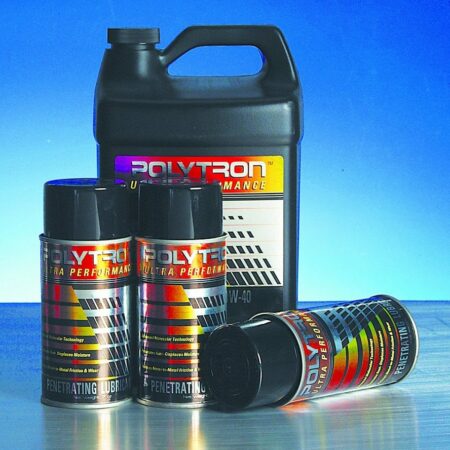
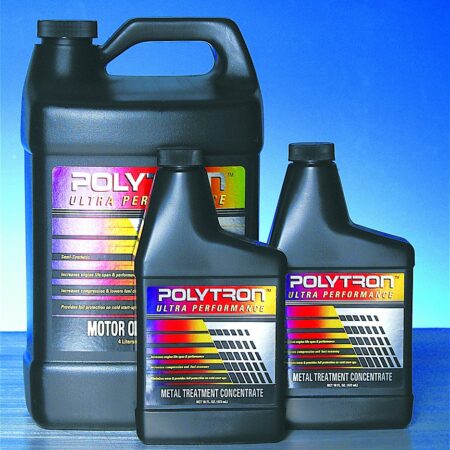
Polytron MTC (Metal Treatment Concentrate) exemplifies this approach. The formulation works with any motor oil type, whether conventional, synthetic blend, or full synthetic. Unlike some aftermarket additives that contain PTFE, Teflon, or other solid particles that can accumulate and cause deposits, Polytron MTC contains no solids that might clog oil passages or filters.
The technology is military-grade and industrial-strength, manufactured in the USA for demanding commercial applications. By treating the metal surfaces rather than altering oil chemistry, the protection remains effective throughout the drain interval, even as oil degrades through normal use.
For fleet managers evaluating additive technologies, the absence of solid particles is an important distinction. Engine manufacturers have historically warned against additives containing suspended solids, making a true metal treatment approach more compatible with OEM maintenance recommendations.
Fleet-Specific Applications
Commercial vehicles present unique lubrication challenges. Heavy loads, extended operating hours, and varied duty cycles place demands on engines and drivetrains that exceed typical passenger car requirements.
For commercial diesel applications, the standard protocol calls for 16 ounces of Polytron MTC during initial treatment, followed by 8-ounce maintenance doses at subsequent oil changes. This approach allows the metal treatment to establish surface protection, then maintain it through the vehicle's service life.
Different fleet types benefit in distinct ways. Over-the-road trucking operations, where vehicles accumulate high mileage at sustained speeds, gain from improved fuel efficiency and reduced long-haul wear. Delivery fleets operating in stop-and-go urban environments experience significant metal-on-metal contact during frequent acceleration cycles, making friction reduction particularly valuable.
Bus operations, whether school, transit, or charter, carry additional considerations around passenger safety and service reliability. Extended engine life and reduced breakdown risk directly support these priorities. Taxi and rideshare fleets, characterized by high utilization rates and constant operation, benefit from protection that maintains effectiveness during continuous duty.
Fleet operators report measurable reductions in operating temperature and engine noise after treatment. Lower temperatures reduce thermal stress on components and oil, while quieter operation often indicates reduced internal friction and wear.
Calculating the ROI
Fleet managers making purchasing decisions need concrete numbers. The return on investment from advanced lubrication depends on several variables: fleet size, annual mileage per vehicle, current maintenance spending, and fuel costs.
Consider the fuel efficiency component alone. The DOE data suggesting 10-15% of fuel goes to friction establishes the theoretical ceiling. Even capturing a fraction of that loss represents meaningful savings. For a truck averaging 6 miles per gallon over 100,000 annual miles, a 2% efficiency improvement saves approximately 333 gallons per year. At current diesel prices, that translates to over $1,000 per vehicle annually.
Extended drain intervals add another layer of savings. Fewer oil changes mean reduced filter costs, less oil purchased, and fewer labor hours dedicated to routine service. For fleets managing dozens or hundreds of vehicles, these per-vehicle savings compound significantly.
Perhaps most valuable is downtime reduction. If improved lubrication prevents even one unplanned breakdown per vehicle annually, the ROI calculation shifts dramatically. A single avoided tow, hotel stay, delayed delivery, and emergency repair easily exceeds the cost of treatment.
Conclusion
Fleet maintenance costs will continue rising through 2026 and beyond. Parts availability challenges, labor market pressures, and aging vehicle inventories create headwinds that won't resolve quickly. Within this environment, fleet managers who identify and implement proven cost-reduction strategies gain competitive advantage.
Advanced lubrication technology represents an underutilized approach with measurable benefits. The science is established, the application is straightforward, and the returns are calculable using each fleet's own operating data.
Polytron MTC was designed specifically for industrial and commercial applications where reliability matters and margins are tight. For fleet managers seeking to reduce friction, both mechanical and financial, metal treatment technology warrants serious evaluation.
To learn more about implementing advanced lubrication solutions in your fleet maintenance program, visit polytrondirect.com for product specifications, dosage guidelines, and fleet consultation resources.